.webp&w=3840&q=75)
ERBIL, Kurdistan Region - Iraq has recovered funds and assets worth more than one billion US dollars during a nationwide anti-corruption campaign launched in late June, a government spokesperson said on Saturday, as authorities intensify a crackdown on graft.
"The value of the funds, assets, or real estate recovered within the framework of the anti-corruption campaign is estimated at over 1.359 trillion dinars (over one billion dollars)," Haider al-Aboudi told the state-run Iraqi Media Network, revealing that "the number of corruption reports received by the Commission of Integrity exceeded 26,000, particularly during the campaign, known as Operation Dawn."
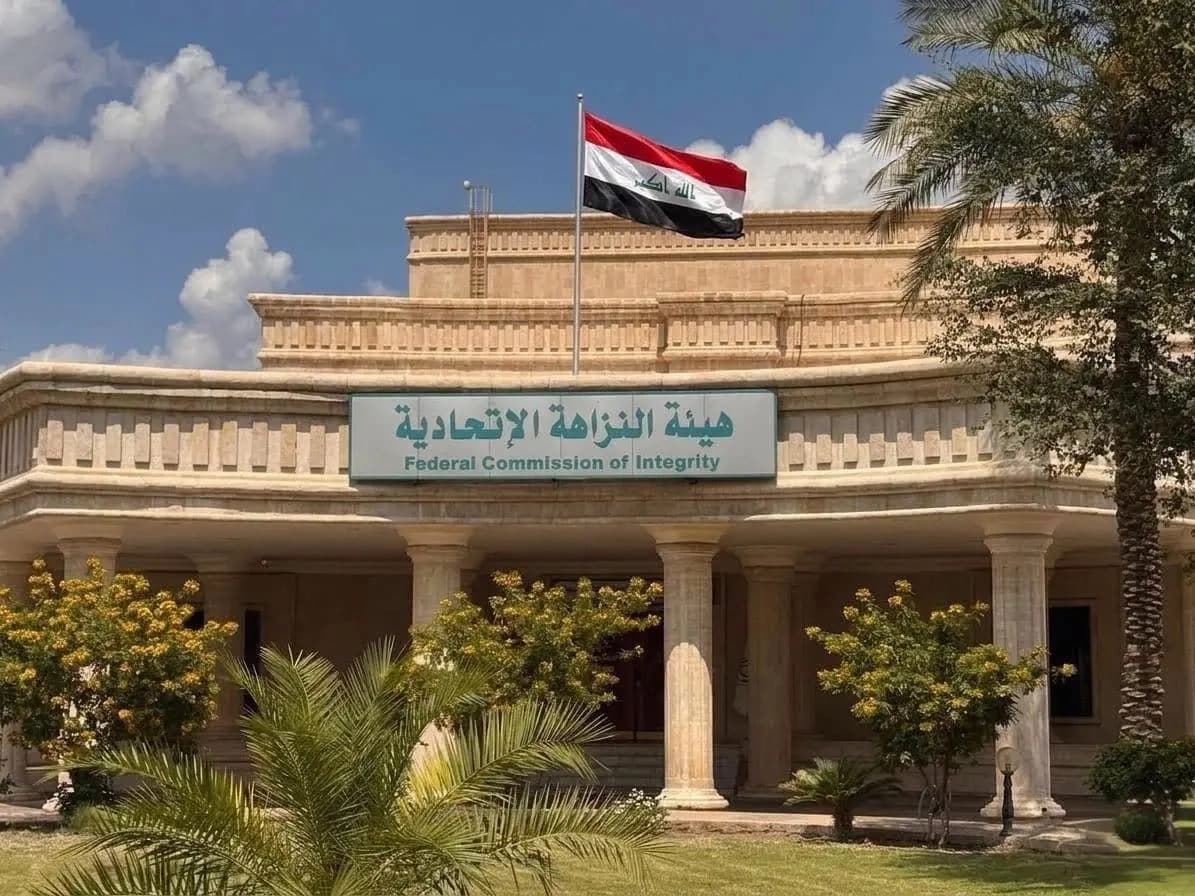
Operation Dawn was launched on June 28 under Prime Minister Ali al-Zaidi. In coordination with the Federal Commission of Integrity, security forces and judicial bodies have since conducted dozens of raids across Baghdad and other provinces, arresting more than 200 government officials and employees.
Iraqi authorities have seized hundreds of millions of dollars and hundreds of billions of Iraqi dinars in cash during the campaign, including $20.34 million linked to former oil officials, as well as more than 400 kilograms of gold, over 200 properties and dozens of luxury vehicles and watches.
The government is also implementing institutional reforms aimed at closing "loopholes" that enable corruption, Aboudi said, adding that the judiciary is central to the campaign and that Zaidi is directly overseeing the effort.
"Corruption represents a deep-rooted system intertwined with networks of finance, administration, and influence," the spokesperson stated, emphasizing that "there will be no halt to the government's anti-corruption crackdown."
The campaign also includes auditing government contracts and expanding digital services to reduce direct human involvement in administrative procedures. Iraq's whistleblower legislation provides rewards equivalent to five percent of recovered funds to people who report corruption.
The asset recovery campaign comes as Iraq faces mounting pressure on its public finances.
The country recorded a budget deficit of more than 21 trillion dinars ($16 billion) in the first half of 2026, with government spending reaching around 57.18 trillion dinars ($43.5 billion) against revenues of about 35.14 trillion dinars ($26.7 billion).
The fiscal strain follows severe regional disruptions after the United States and Israel launched an aerial campaign against Iran in late February and Tehran retaliated, choking shipping through the Strait of Hormuz, through which roughly 90 percent of Iraq's oil exports normally pass.
Iraqi crude production plunged from 4.14 million barrels per day (bpd) to 1.49 million bpd at the height of the conflict, with government financial adviser Mazhar Mohammed Salih estimating in early March that the disruption was costing the treasury between $200 million and $255 million a day.
Iraq ranked 136th out of 182 countries and territories in Transparency International's 2025 Corruption Perceptions Index, scoring 28 out of 100.