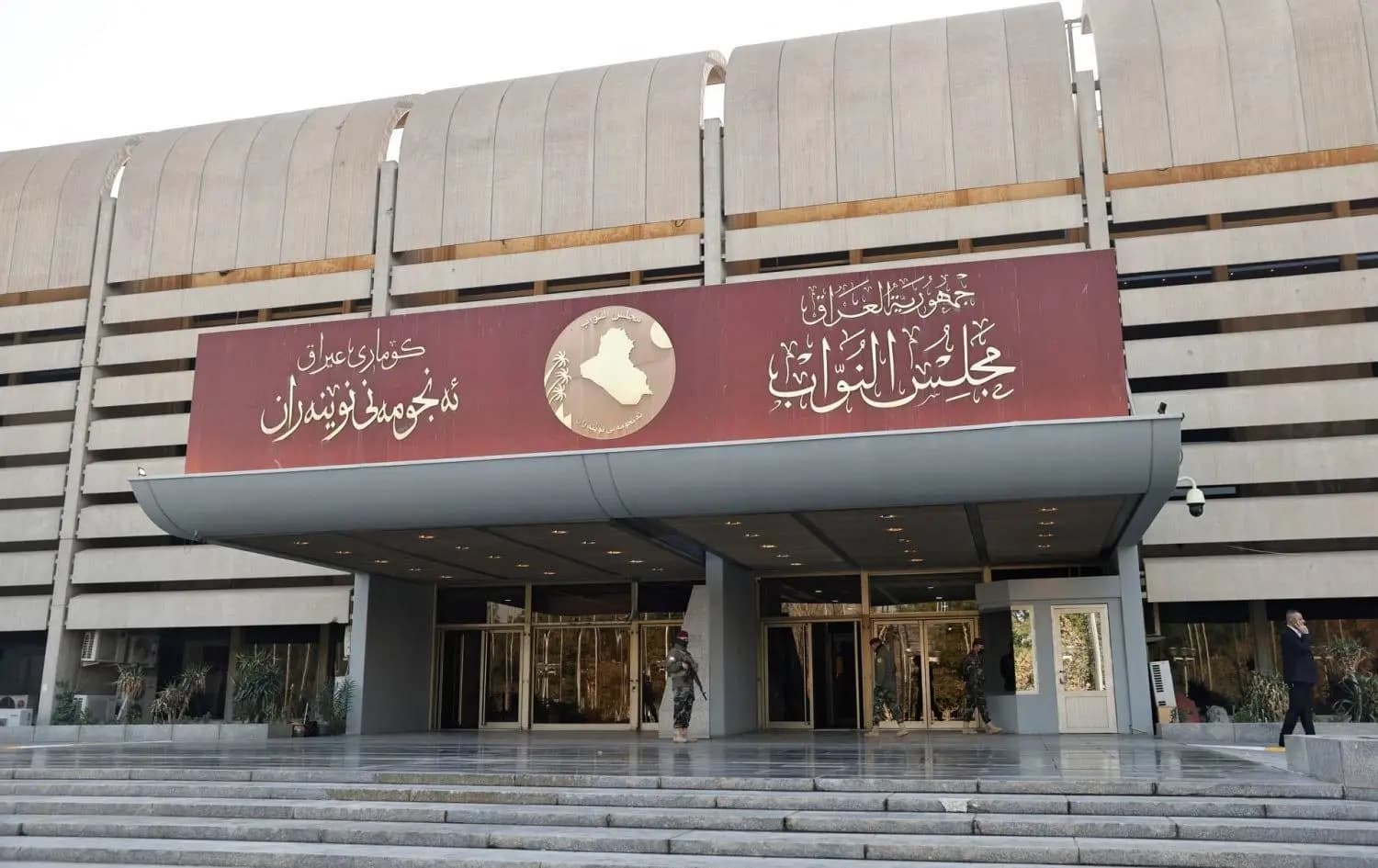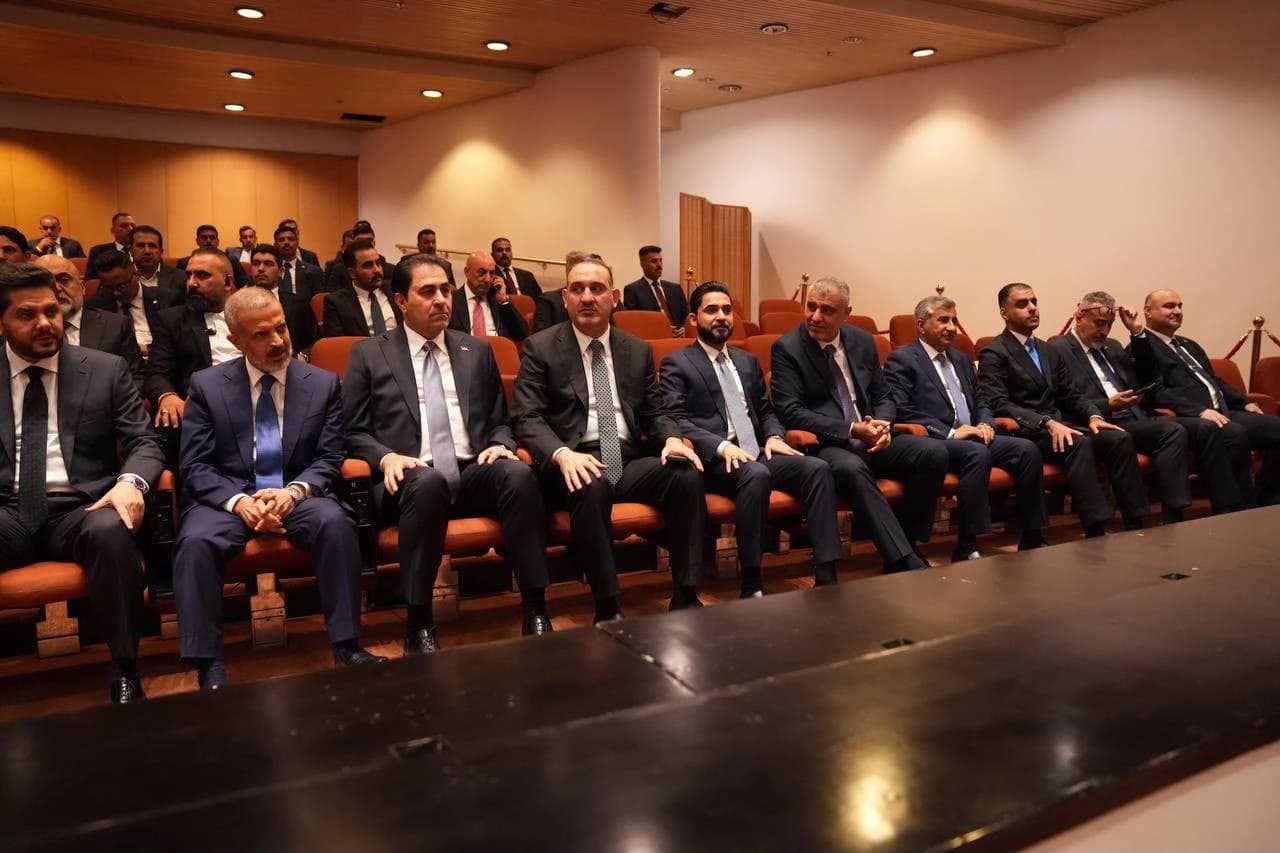
ERBIL, Kurdistan Region - The Iraqi parliament on Thursday approved candidates for vacant ministerial positions and other senior posts in Prime Minister Ali al-Zaidi's government, in a move aimed at completing his cabinet.
The vote covered 14 positions, including three deputy prime minister posts and several key ministries, including interior, defense, planning, and higher education.
"Within five months of the government's formation, the ministerial cabinet has been completed, and we have filled the vacant portfolios," Zaidi said in a statement following the parliamentary session.
The vote is intended to complete Zaidi's cabinet, which has remained partially vacant since parliament approved his government on May 14, following a period where a separate proposal to appoint four deputy prime ministers exposed divisions within the ruling Shiite Coordination Framework.
"Throughout the past months, our government has worked with perseverance, patience, and determination under highly complex internal and external circumstances," the prime minister said.
"The regional war has imposed, and continues to impose exceptional economic challenges on Iraq, as well as security challenges that require the highest degrees of responsibility and vigilance," he added.
"We call upon my brothers, the Deputy Prime Ministers and the Ministers who have won the confidence of the House of Representatives, to assume their responsibilities with the highest degrees of commitment, competence, and integrity," Zaidi stated.
Iraqi Parliament Speaker Haibat al-Halbousi said the legislature will support the government's program and overcome obstacles, while firmly maintaining its constitutional duty to monitor performance and hold underperforming officials accountable.
"We emphasize that the House of Representatives will not be an obstacle to the government, but rather a supporting force for its success. However, at the same time, it will not serve as a cover for negligence or failure," Halbousi said.
The parliament approved two Kurdish candidates, confirming Muhsin al-Mandalawi, a Faili Kurd aligned with the Coordination Framework, as deputy prime minister, and Rebaz Hamlan of the Kurdistan Democratic Party (KDP) as construction and housing minister.
Mohammed Samaan Aga, representing the Iraqi Turkmen Front, was voted in as the minister of state for minorities’ affairs. He has been serving as the governor of Kirkuk since April.
Lawmakers approved several Arab Shiite politicians, including Laith al-Khazali of the Asa'ib Ahl al-Haq bloc, as deputy prime minister, Yasser al-Maliki of the State of Law Coalition as interior minister, Ali al-Dakhili of the Muntasiroon Alliance as tourism minister, Haidar Bahaa of the State of Law Coalition as higher education minister, Mohammed al-Mousawi of Asa'ib Ahl al-Haq as labor minister, and Mohammed al-Darraji of the Khadamat Alliance as digital economy minister.
Parliament also appointed Arab Sunni officials, including Mohammed Tamim of the Al-Taqaddum Party as deputy prime minister, Nayef al-Shammari of the National Resolution Coalition as defense minister, and al-Azm Alliance members Qutaiba Ghazi and Yassin al-Ithawi as ministers of planning and culture, respectively.
Two positions remain unfilled after the legislature rejected the appointment of Ruaa Salim, a Christian from the Babylon Movement, for the migration ministry, and Sadiq Brifkani, a Kurd from the KDP, for a deputy prime minister post.
The leader of the Asa’ib Ahl al-Haq bloc, Qais al-Khazali, told Rudaw’s Ziyad Ismail upon leaving the parliamentary session on Thursday that there were some disagreements on Brifkani’s and Salim’s candidacies for their positions, adding that “hopefully within two weeks the matter will be properly resolved.”
Of note, US Congressman Joe Wilson, shortly after the vote, posted on X stating that “Laith al Khazali is a designated terrorist and Iranian puppet,” accusing the newly appointed Deputy Prime Minister of being “no better” than the Islamic State (ISIS).
A total of 261 lawmakers attended Thursday’s session, while several others boycotted it in protest. The parliament has 329 seats.
Nearly 270 lawmakers attended the mid-May parliamentary session to vote on the prime minister and his cabinet, where the parliament approved 14 of the proposed 23 ministers, rejected five, and left four pending political agreements.
The nine previously vacant portfolios included interior, defense, higher education and scientific research, planning, labor and social affairs, youth and sports, culture, migration and displacement, and construction and housing.
Last updated at 10:56 PM.
.jpg&w=3840&q=75)