
ERBIL, Kurdistan Region - An Iraqi court has issued an arrest warrant for the head of Maysan's provincial council over threats of "civil disobedience" in relation to a land border crossing with Iran following a complaint launched by the office of Iraqi Prime Minister Ali al-Zaidi.
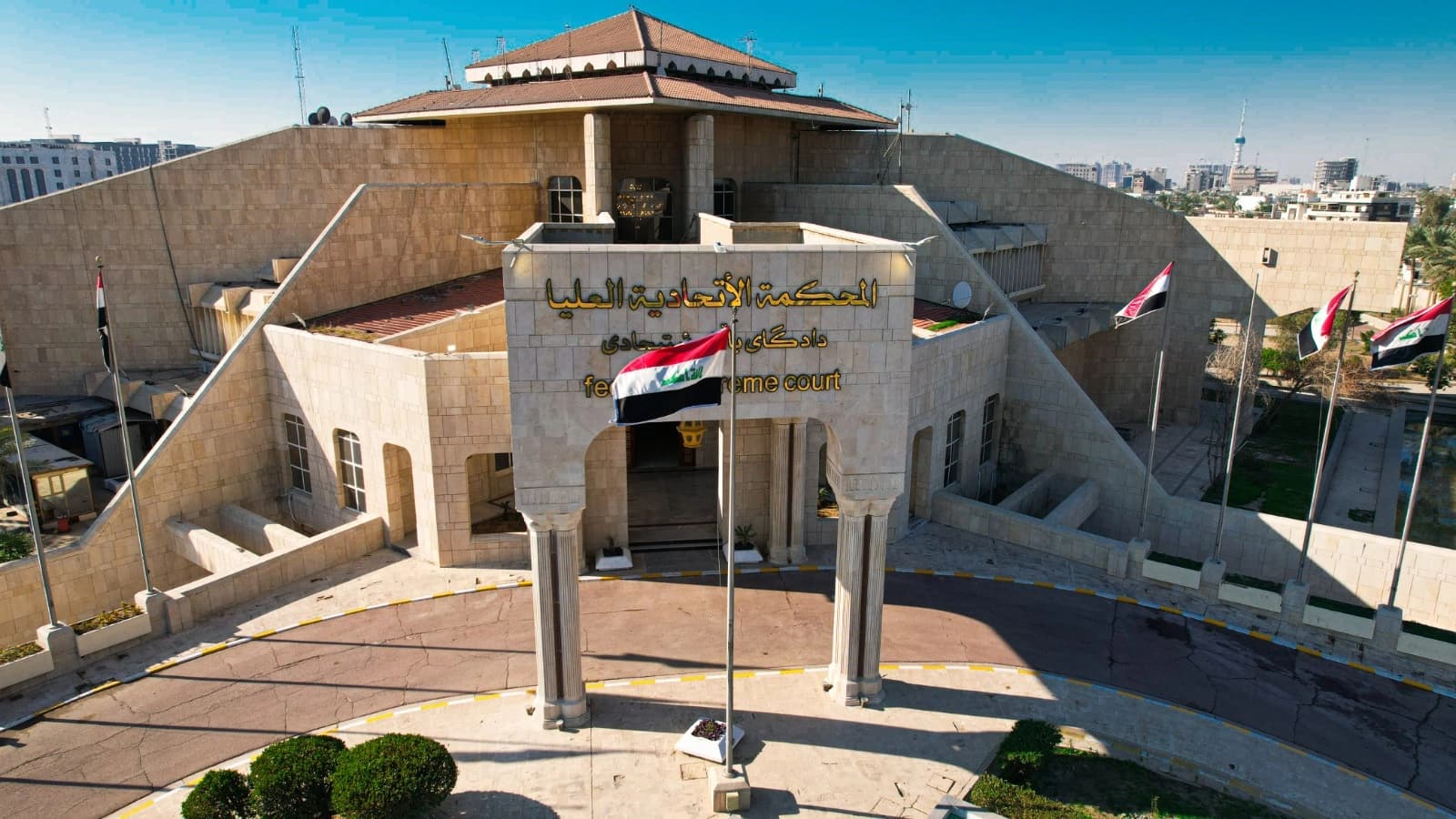
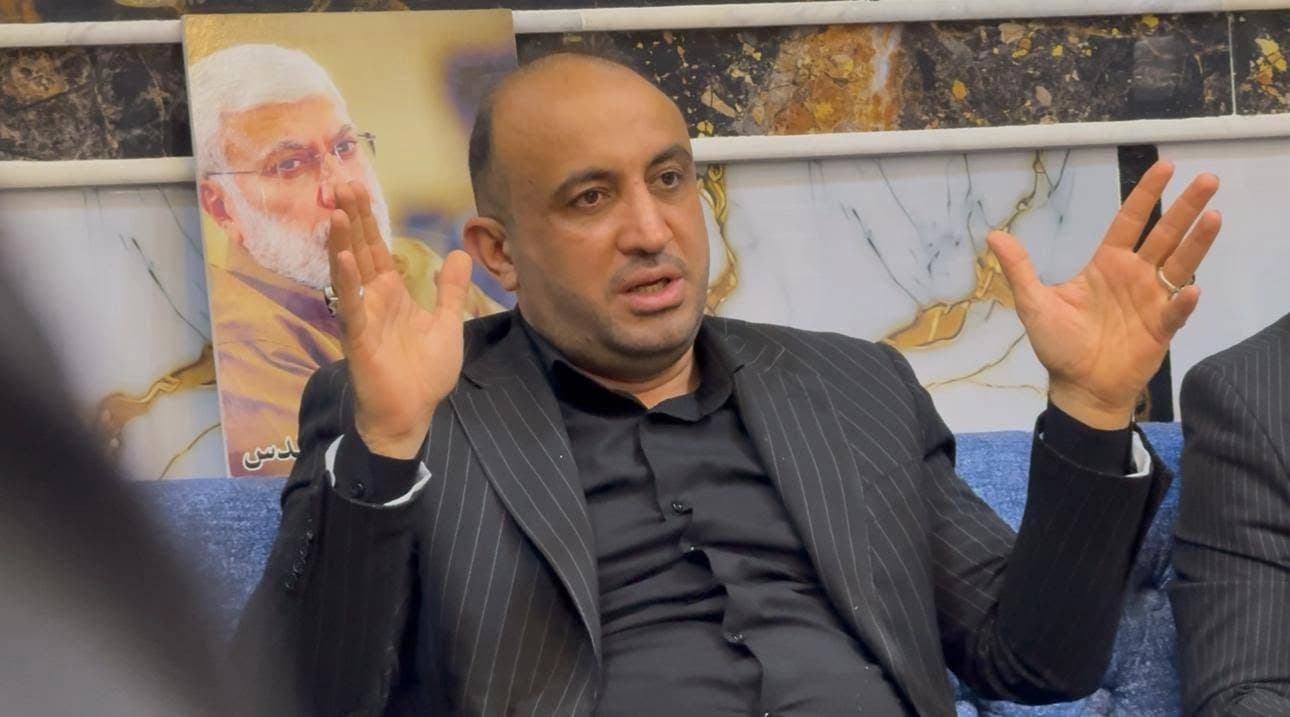
The Karkh Third Investigation Court in Baghdad issued an arrest warrant against Mustafa Daeer Mohammedawi following a complaint from the office of Iraqi Prime Minister Ali al-Zaidi, according to a judicial document dated Sunday and circulated Monday concerning Mohammedawi's threats to “declare civil disobedience, block roads and give the federal government three days” to reopen the Sheeb border crossing with Iran.
The warrant was issued under the second clause of Article 224 of Iraq's Penal Code No. 111 of 1969, which criminalizes the use of threats, violence or other unlawful means to compel senior state officials, including the prime minister, to take or refrain from taking actions within their legal authority.
The dispute comes amid growing anger in Maysan over the closure of Sheeb, a major commercial crossing with Iran, citing shortcomings in the crossing’s technical and logistical readiness as local officials gripe disrupted trade and increased prices.
Government spokesperson Haidar al-Aboudi said authorities were working to improve the facility before trade with Iran could resume, while other Iraqi officials raised concerns about the smuggling of narcotics and other prohibited goods through the crossing.
The decision sparked protests among truck drivers and traders in Maysan and drew criticism from Iranian officials, who said Baghdad had carried out the border closure “without prior notification to Tehran,” IRGC-affiliated Tasnim news agency reported.
Zaidi earlier on Monday ordered an investigation into Mohammedawi over remarks at a protest on Sunday, threatening that “the people of Maysan province will be forced to resort to civil disobedience on all roads, "and that the province would "be cut off from all of Iraq."
The premier's office said Mohammedawi had also used "inappropriate language," stressing that officials must comply with the law and follow established constitutional and administrative procedures.
Meanwhile, the parliamentary faction of the pro-Iran Badr Organization, an influential member of Iraq’s Shiite ruling framework, warned Monday that the continued closure could fuel further unrest.
In a statement Monday, the faction called on the federal government to reopen the crossing immediately, warning that continued closure could “lead to the expansion of protests and an escalation of tensions,” eroding trust between Maysan and Baghdad.
The faction criticized what it described as “double standards” in the management of Iraq's border crossings, arguing that “the same legal standards should apply to official and unofficial crossings” throughout the country.
It cited allegations of smuggling through unofficial crossings in the Kurdistan Region, saying any such violations should be investigated using official evidence and brought under federal authority.
Abdul Amir Hassan Ali al-Taiban, an advisor to Iraqi Prime Minister Ali al-Zaidi, alleged that uncontrolled groups and traders on the Iranian side were involved in smuggling. Iran's embassy in Baghdad "strongly denied" Taiban's allegations on Saturday, calling on the Iraqi government to "take a stance on claims that harm relations between the two countries."
Badr urged a parliamentary committee established to examine the Sheeb closure to identify the reasons for the decision, determine responsibility and propose a timetable for reopening the crossing, while rejecting security-related allegations against Maysan and its residents without documented evidence, including claims concerning an attack on Saudi Arabia's East-West oil pipeline.
The investigation order also prompted objections from provincial council members and an Iraqi lawmaker over the prime minister's authority to investigate an elected local official.
Hussein al-Maryani, a member of the Maysan provincial council, argued that the independence of provincial councils was “constitutionally protected” and that legal accountability should not be used to exceed the powers granted to federal authorities.
Another council member, Ali Jassib al-Zaidawi, defended Mohammedawi's demands as a response to residents' economic concerns, saying that representing their grievances was part of an elected official's responsibilities.
Mohammed Jassim al-Khafaji, a member of the Iraqi parliament, also questioned the premier's authority to investigate Mohammedawi.
"Investigating an elected provincial council is something the prime minister is legally not authorized to do," Khafaji said in a Facebook statement Monday, arguing that only the provincial council could remove its chairman through a vote by an absolute majority and that he had submitted a request to parliament to summon Mohammedawi to discuss the dispute.
Maryani told Rudaw on Sunday that the closure had caused "severe damage" to Maysan, disrupting the flow of goods and foodstuffs into Amarah, the provincial capital, as well as other parts of the province.
"We stand with the government in imposing state power, implementing the law, and removing those involved [in irregularities], but the solution lies in correcting course and ensuring the smooth flow of work, not a full closure and hurting the interests of the people," he said.