
ERBIL, Kurdistan Region - Families across the Kurdistan Region are facing mounting difficulties affording heating fuel (kerosene) as prices surge ahead of winter, with delayed subsidized supplies from Baghdad and economic hardships compounding the pressure on households.
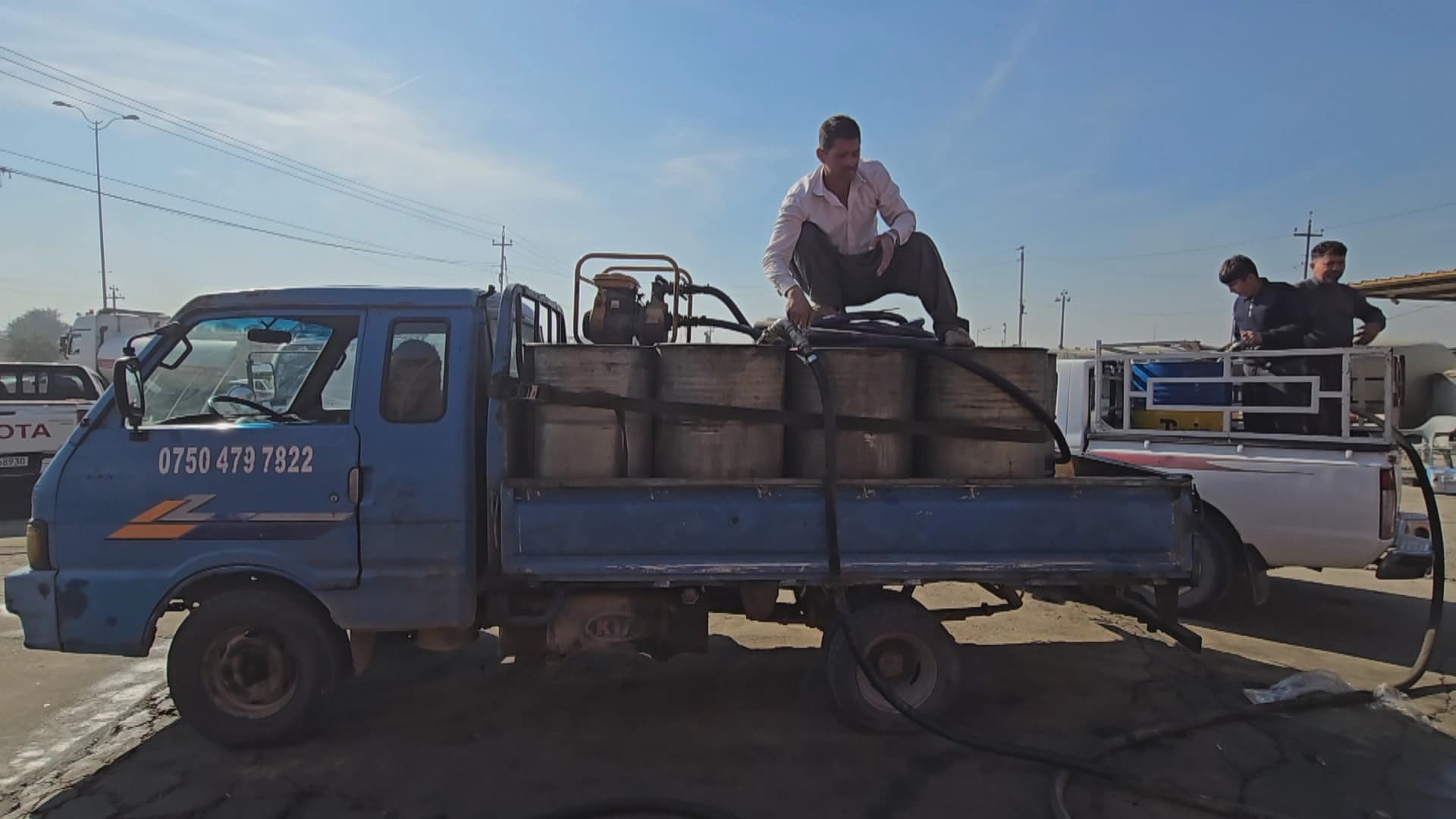
A 220-liter barrel of commercial heating oil is selling for around 345,000 Iraqi dinars ($203), more than double the 170,000 dinars ($110) recorded during the same period last year, according to oil traders.
The price disparity is also pronounced between the Kurdistan Region and other parts of Iraq, with residents of the Region paying considerably more for the same quantity of fuel.
“In Baghdad and southern Iraq, a 220-liter barrel of commercial oil costs 190,000 dinars. In the Kurdistan Region, that same barrel goes for 320,000 dinars,” oil trader Bilal Assad told Rudaw’s Farhad Dolamari on Monday, excluding the transportation costs.
The rising costs are putting heating fuel beyond the reach of some low-income families, with residents struggling to afford even smaller quantities.
Sarhad Mohammed, a resident who spoke to Rudaw, recounted witnessing a man leave without buying kerosene after realizing he could not afford it.
“I just bought a [220-litre] barrel of kerosene here. A man came by who didn't know how he was going to buy even a single jerrycan of kerosene [due to poverty]. He was asking about the price of a jerrycan of kerosene and trying to figure it out. When he did the math, the price was too high for him and he couldn't afford it. He left and didn't buy the kerosene,” Mohammed said.
The Region's households await subsidized kerosene supplies allocated by Baghdad for the winter. The federal government has approved 50 million liters for the Kurdistan Region, falling far short of the estimated 269 million liters required to meet the Region's needs, according to regional oil officials.
Distribution is expected to prioritize mountainous and remote areas, where falling temperatures make access to heating fuel particularly critical.
The high cost of kerosene in mountainous areas is also placing additional pressure on the Region's forests, as some residents resort to cutting down trees for heating and cooking, raising concerns about illegal logging and environmental degradation.
On Monday, Sulaimani's Forest and Environmental Police Directorate announced the arrest of two people accused of cutting down natural trees within the administrative boundaries of the province’s Sitak sub-district.
Security personnel seized two pickup trucks, felled trees, two saws and three hatchets during the operation. The suspects were subsequently handed over to the Sitak Forest and Environment Police Station, which opened an investigation into the case.
The arrests came amid a wider crackdown on illegal logging across the Kurdistan Region. At least 18 people have been arrested over the past month in Erbil and Sulaimani provinces on suspicion of illegally cutting down trees, authorities and local officials told Rudaw last month.
“We have arrested 14 people across the four sub-districts of the Balakayati area in the Soran Independent Administration [northeast of Erbil] for cutting down trees,” Ahmed Barzan Aliko, commissioner of Choman district in Soran, told Rudaw's Astera Ghazi, adding that “all the tools and equipment used for logging have been confiscated.”
Authorities have warned that those involved in illegal logging could face fines and possible prison sentences.
The financial strain comes amid longstanding disputes between Erbil and Baghdad over oil revenues, federal budget allocations and public-sector salary payments, which have left the Kurdistan Region's residents grappling with persistent economic difficulties.